
How to Grow Medicinal Plants at Home in India

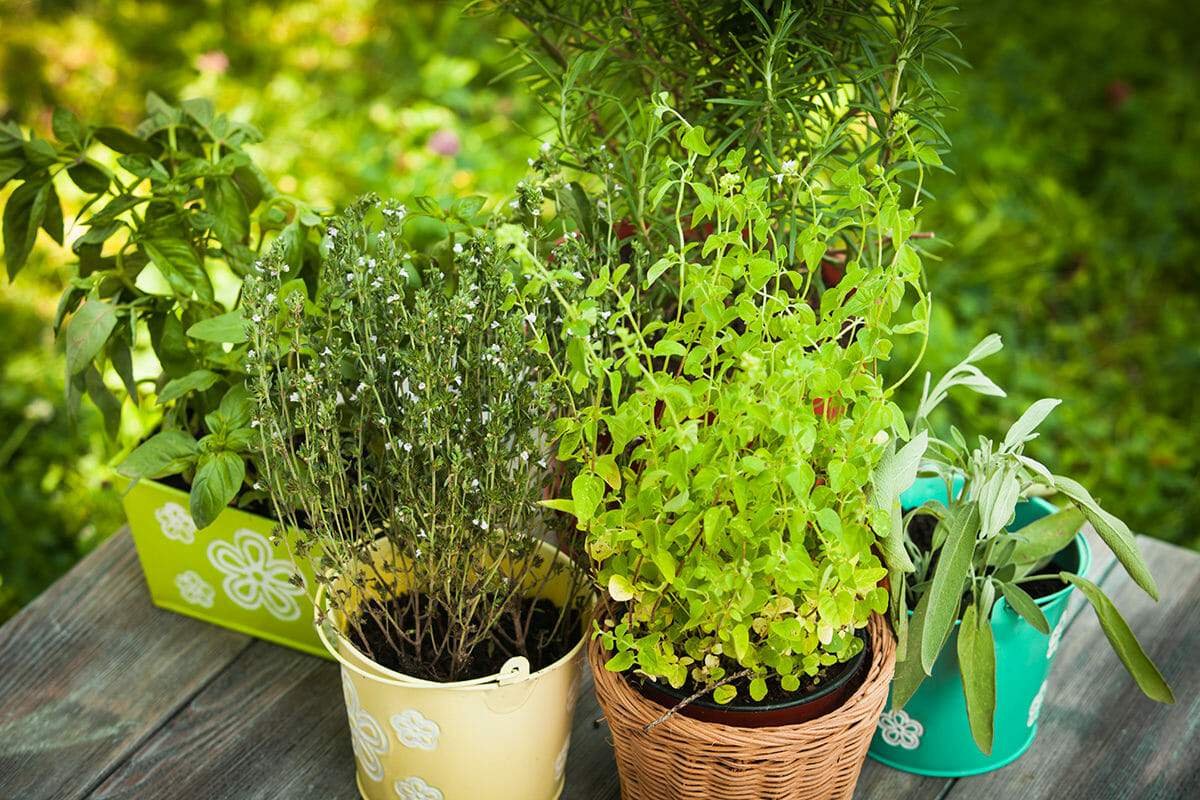
Learning how to grow medicinal plants at home in India is an empowering way to create a greener living space while cultivating fresh herbs for daily wellness. Many resilient medicinal varieties thrive effortlessly across Indian climates when provided with appropriate sunlight, well-draining soil, and routine care.
Whether you have a spacious backyard, balcony, terrace or a small window garden, you can grow a variety of medicinal and aromatic plants in containers.
From Tulsi and Aloe Vera to Mint, Lemongrass and Curry Leaf, home gardening allows you to enjoy fresh plants while creating a natural and beautiful environment around your home.
In this guide, we will explain how to grow medicinal plants at home in India, how to choose suitable plants, prepare the soil, manage sunlight and watering, and avoid common gardening mistakes.
Important: Medicinal plants can have traditional uses, but growing or consuming a plant does not mean it can safely treat or cure a medical condition. Always identify plants correctly and consult a qualified healthcare professional before using medicinal plants for health purposes.
1. Why You Should Grow Medicinal Plants at Home
A home medicinal plant garden can provide several practical benefits.
🌿 Fresh Plants at Home
Growing plants yourself allows you to observe their growth and maintain them in your own garden or containers.
🌱 Greener Living Space
Plants can make balconies, terraces, gardens and other spaces more pleasant and visually appealing.
🪴 Easy Gardening for Beginners
Many popular herbal plants are relatively easy to grow and can be maintained in pots.
🌤️ Suitable for Different Indian Climates
India has a wide range of climates, from tropical and humid regions to dry and cooler areas. Choosing plants suitable for your local conditions is therefore important.
📚 Learn About Plants
Growing medicinal plants at home is also an excellent way for families and children to learn about plant growth, soil, roots, leaves and natural ecosystems.
2. Best Species to Grow Medicinal Plants at Home in India
Different plants have different requirements. Some prefer strong sunlight, while others perform better with partial shade.
Here are some popular options for Indian home gardens:
| Plant | Suitable Growing Space | General Light Requirement |
| Tulsi | Pot / Balcony / Garden | Full to partial sunlight |
| Red Aloe Vera (Live Plant) | Pot / Terrace / Balcony | Bright sunlight |
| Mint | Pot / Balcony | Partial to moderate sunlight |
| Lemongrass | Pot / Garden | Full sunlight |
| Curry Leaf | Large Pot / Garden | Full sunlight |
| Ashwagandha (Live Plant) | Garden / Large Pot | Full sunlight |
| Sigappu Kalbrahmi (Live Plant) | Pot / Moist area | Partial sunlight |
| Indian Bay Leaf | Large Pot / Garden | Sunlight to partial shade |
| Ginger | Pot / Garden | Partial shade |
| Turmeric | Pot / Garden | Partial shade |
The ideal plant depends on your location, available sunlight, space, temperature and watering routine.
3. Choose the Right Location to Grow Medicinal Plants at Home
Before buying plants, observe your home.
Ask yourself:
- How many hours of sunlight does the area receive?
- Is the location exposed to heavy rain?
- Does water accumulate there?
- Is the area exposed to strong wind?
- Is there enough space for the plant to grow?
- Are you planning to grow the plant in a pot or directly in the ground?
Balcony Garden
A balcony can be suitable for smaller herbs and medicinal plants.
Terrace Garden
A terrace provides more sunlight and space, but containers may dry out faster during hot weather.
Backyard Garden
A backyard gives plants more room for root development and can be suitable for larger medicinal and herbal species.
4. Sunlight Requirements to Grow Medicinal Plants at Home
Sunlight is one of the most important factors in successful plant growth.
Plants such as Tulsi, Aloe Vera and Lemongrass generally prefer plenty of sunlight.
Other plants, such as Brahmi and Ginger, can tolerate or prefer more shaded conditions depending on the growing environment.
Avoid placing every plant in the same location simply because it is convenient.
Instead, group plants according to their light requirements.
Simple rule:
Observe the sunlight first → choose the plant second.
This can prevent many common gardening problems.
5. Selecting Containers to Grow Medicinal Plants at Home
If you are growing medicinal plants on a balcony or terrace, selecting the right container is essential.
Look for:
- Adequate pot depth
- Sufficient width for root growth
- Drainage holes
- Good-quality growing medium
- Strong, stable containers
The size of the pot should match the mature size and root requirements of the plant.
Small herbs may grow well in relatively small containers, while plants that develop larger root systems require considerably more space.
Most important:
Always provide proper drainage.
Excess water around the roots can cause serious problems, including root damage and fungal issues.
6. Soil & Potting Mix to Grow Medicinal Plants at Home
Healthy roots need both moisture and air.
A simple home-garden growing medium can contain a combination of:
- Garden soil
- Compost or well-decomposed organic matter
- Cocopeat
- Other suitable materials that improve drainage and aeration
The exact mixture can be adjusted depending on the plant.
For container gardening, avoid using heavy soil that becomes compacted and remains wet for long periods.
A good growing medium should allow:
Water drainage + air circulation + root development + nutrient availability.
7. Step-by-Step Planting Guide for Home Herbal Gardens
Once your container and growing medium are ready, planting is relatively straightforward.
Step 1: Prepare the container
Make sure the pot has drainage holes.
Step 2: Add the growing medium
Fill the container while leaving sufficient space near the top.
Step 3: Plant carefully
Place the plant or seedling at an appropriate depth without damaging the roots.
Step 4: Firm the soil gently
Do not compress the soil excessively.
Step 5: Water lightly
Water the plant after planting and allow excess water to drain.
Step 6: Place it in the appropriate location
Move the plant to an area that matches its sunlight requirements.
8. Watering Guidelines to Grow Medicinal Plants at Home
One of the most common beginner mistakes is overwatering.
More water does not necessarily mean faster or healthier growth.
Before watering, check the moisture level of the growing medium.
If the upper layer is already wet, you may not need to water immediately.
Specifically, during hot Indian summers
Plants in small containers may require more frequent monitoring because soil can dry quickly.
In contrast, during monsoon seasons
Reduce watering when rainfall or humidity is already providing sufficient moisture.
Meanwhile, during cooler winter months
Many plants use less water, so watering frequency may need to decrease.
The ideal watering schedule depends on the plant, pot size, soil, weather and location.
9. Organic Feeding & Fertilizers for Medicinal Herbs
Plants require nutrients for healthy growth.
For a home garden, you can use suitable organic matter such as well-decomposed compost.
Avoid applying excessive fertilizer.
Too much fertilizer can damage roots and negatively affect plant growth.
A simple approach is:
Healthy soil + compost + appropriate watering + adequate sunlight = strong plant growth.
10. Pruning & Routine Maintenance for Healthy Growth
Regular observation is more important than constant intervention.
Check your plants regularly for:
- Yellowing leaves
- Dry leaves
- Damaged stems
- Pest activity
- Fungal growth
- Poor drainage
- Unusual changes in growth
Remove damaged plant material when appropriate and prune plants according to their individual growth habits.
Regular pruning can also help certain herbs maintain a compact and manageable shape.
11. Natural Pest Management for Herbal Gardens
Home-grown plants can sometimes attract insects such as aphids, mites, caterpillars and other pests.
Instead of immediately using strong chemicals, first identify the problem.
You can:
- Inspect leaves regularly.
- Remove heavily affected leaves when appropriate.
- Maintain good air circulation.
- Avoid excessive watering.
- Keep the garden clean.
- Use a suitable pest-control method based on the specific pest and plant.
If you are growing plants intended for traditional medicinal use, pay particular attention to what products you apply to the plant and follow their label instructions.
12. Pot & Container Gardening Tips for Balconies
You don’t need a large garden to start.
A small balcony or terrace can support several useful plants.
Example beginner container garden:
Pot 1: Tulsi
Pot 2: Aloe Vera
Pot 3: Mint
Pot 4: Lemongrass
Pot 5: Curry Leaf
Pot 6: Brahmi
As you gain experience, you can gradually introduce additional plants.
This approach is better than buying many plants at once and struggling to maintain them.
13. Seeds vs. Live Plants: Which is Best for Beginners?
You can start plants from seeds, cuttings, divisions or established live plants, depending on the species.
Furthermore, growing from seeds
Advantages:
- Interesting learning experience
- More economical for some plants
- Allows you to observe the complete growth cycle
Challenges:
- Germination can take time
- Young seedlings require careful attention
- Some plants have specific germination requirements
In comparison, starting with live plants
Advantages:
- Faster visual results
- Easier for beginners
- You can immediately observe the plant’s health
For beginners, purchasing healthy, correctly identified live plants from a reliable nursery can be a convenient way to start.
14. Seasonal Planting Calendar for Indian Climates
There isn’t one universal planting month for every medicinal plant because India has many different climatic zones.
In general, the monsoon and suitable growing seasons can be favorable for establishing many plants, particularly when temperatures are moderate and natural moisture is available.
However, the ideal planting period depends on:
- Plant species
- Local climate
- Rainfall
- Temperature
- Container vs. ground planting
Before planting, check the specific requirements of the plant you want to grow.
15. Common Gardening Mistakes to Avoid
❌ Overwatering
Constantly wet soil can harm roots.
❌ Poor drainage
A pot without drainage holes can create serious problems.
❌ Insufficient sunlight
Some plants need significantly more light than others.
❌ Choosing the wrong pot size
A container that is too small can restrict root development.
❌ Planting too many species together
Different plants have different water, light and space requirements.
❌ Ignoring pests
Small pest problems can become larger infestations if left unchecked.
❌ Using unidentified plants
Never consume a plant simply because it looks similar to a medicinal species.
❌ Treating plants as a substitute for medical care
Traditional plant use should not replace professional diagnosis or treatment.
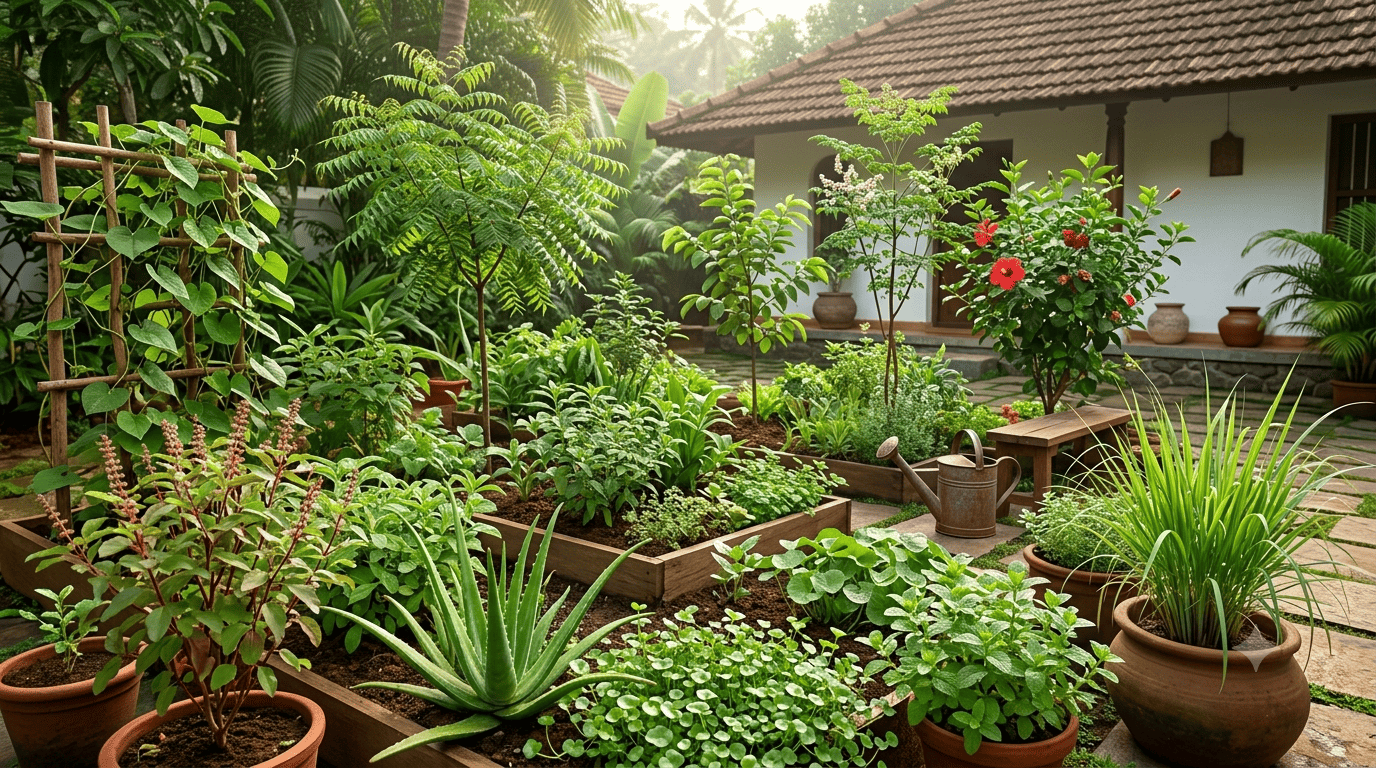
16. Designing Your Home Herbal Garden Layout
You can organize your garden into different sections based on plant requirements.
Sunny Zone: For high-light herbs
Place sun-loving plants such as Tulsi, Aloe Vera and Lemongrass here.
Partial-Shade Zone: For delicate herbs
Place plants that prefer less direct sunlight in a protected area.
Moisture-Friendly Zone: For humidity lovers
Plants that prefer consistently moist conditions can be grouped separately, provided drainage remains appropriate.
Large-Plant Zone: For vigorous shrubs
Keep larger shrubs or trees in larger containers or suitable garden areas.
This makes daily maintenance much easier.
17. Seasonal Maintenance Calendar for India
A successful garden requires consistent observation.
Weekly checklist:
✔ Check soil moisture
✔ Inspect leaves
✔ Look for pests
✔ Remove dead foliage
✔ Check drainage
✔ Observe new growth
✔ Rotate containers if necessary
Keeping a simple gardening routine can make plant care much easier.
18. Starting Small and Expanding Your Collection
You don’t need dozens of plants to create a medicinal garden.
Start with 3–5 plants that match your space and climate.
Learn how each plant responds to:
- Sunlight
- Water
- Soil
- Temperature
- Fertilization
- Pruning
Once you become comfortable, gradually expand your collection.
This creates a sustainable and manageable home garden rather than an overcrowded one.
Related Herbal Gardening Guides & Plant Sourcing:
- Explore our detailed field guide to rare medicinal plants of India.
- Discover the top species in our curated guide on 15 essential medicinal plants for home gardens.
- Explore live potted herbs and exotic species in the Medicinal Live online shop.
For official botanical classifications, consult the Botanical Survey of India (BSI) and therapeutic herbal standards published by the Ministry of AYUSH.
Frequently Asked Questions: Grow Medicinal Plants at Home
Which medicinal plants are easiest to grow at home in India?
Tulsi, Aloe Vera, Mint and Lemongrass are popular choices for beginners because they can be grown in suitable containers when their basic requirements are met.
Can medicinal plants be grown on a balcony?
Yes. Many herbs and smaller medicinal plants can be grown successfully in containers on balconies, provided they receive appropriate sunlight, drainage and care.
How often should I water medicinal plants?
There is no single watering schedule for every plant. Check the soil moisture, weather, pot size and plant requirements before watering.
Can medicinal plants grow indoors?
Some plants can tolerate indoor conditions, but many require sufficient natural light. A bright balcony, window area or outdoor space may be more suitable for many species.
What is the best soil for medicinal plants?
A well-draining growing medium containing suitable soil and organic matter is generally preferable. The exact mixture should be adapted to the individual plant.
Can I grow medicinal plants in pots?
Yes. Container gardening is a practical option for balconies, terraces and small home gardens.
Is it safe to consume every medicinal plant?
No. Plants must be correctly identified and used appropriately. Some plants can be harmful if consumed incorrectly or in unsuitable amounts. Always seek professional medical advice before using plants for treating health conditions.
Conclusion: Start Your Home Herbal Garden
Growing medicinal plants at home in India can be a rewarding way to connect with nature while creating a greener and more productive living space.
You don’t need a large garden or extensive gardening experience. Start with a few suitable plants, provide the right amount of sunlight and water, use well-draining soil, and observe your plants regularly.
The most important principle is simple:
Choose the right plant for your space, then give it the right conditions to grow.
With patience and consistent care, a small balcony, terrace or backyard can gradually become a beautiful home medicinal and herbal plant garden.
Explore Medicinal Plants for Your Home
Looking for healthy, nursery-grown medicinal and herbal plants?
Explore MedicinalLive’s collection of live plants and discover suitable plants for your home and garden.
[Explore Medicinal Plants →]