
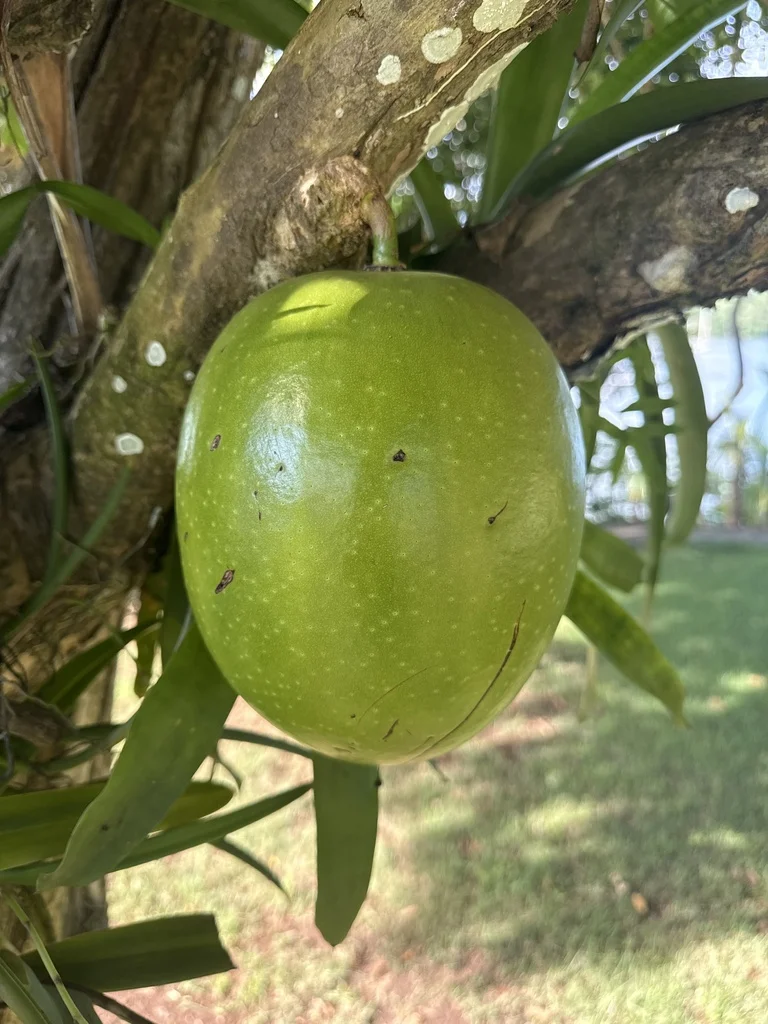

Buy Beggar Bowl Live Plant – Thiruvodu (Crescentia cujete)
₹650.00
Live Healthy Plant: The Beggar Bowl tree, botanically known as Crescentia cujete, is a fascinating ornamental plant. Often called the Calabash Tree or Thiruvodu Maram in Tamil, it produces large, hard-shelled green fruits traditionally used as bowls.
Medicinal Uses: Historically documented in traditional folklore, the tree holds cultural and botanical significance. We supply a healthy live plant for your home garden.
Courier Services: Shree Maruti, India Speed Post, ST Couriers, Franchise/Professional courier services.
5 in stock
Description
Introduction
If you are looking to buy Beggar Bowl plant specimens for your unique botanical collection, MedicinalLive offers the authentic Crescentia cujete live tree. Widely known in traditional circles as the Thiruvodu Maram or Calabash Tree, this fascinating plant is renowned for producing massive, hard-shelled green fruits directly on its trunk. Because of its unusual growth habit and deep cultural history, it has become a highly sought-after ornamental and traditional tree. We supply healthy, live saplings ready to be planted in your garden, ensuring you receive a robust specimen of this legendary plant.
Product Overview
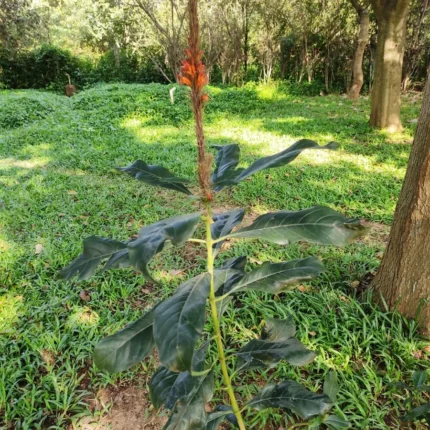
The Beggar Bowl tree belongs to the Bignoniaceae family and is native to tropical regions of the Americas, though it has been widely cultivated across India for centuries. It features a spreading, irregular canopy with simple, spoon-shaped leaves. One of its most defining characteristics is “cauliflory”—a botanical phenomenon where flowers and subsequent fruits grow directly from the main woody trunk and thick branches. The large, spherical gourds it produces can grow up to ten inches in diameter. When dried and hollowed out, the hard shell becomes extremely durable, forming the basis of its famous traditional name.
Beggar Bowl Tree Features
The most striking feature of the Thiruvodu Maram is undoubtedly its massive, trunk-borne fruit. In addition to the fascinating fruits, the tree produces unusual, greenish-yellow, bell-shaped flowers that bloom at night. Because it is highly resilient and drought-tolerant once established, it serves as an excellent low-maintenance shade tree. Furthermore, its sculptural, rugged trunk and spreading branches provide a striking silhouette in any landscape design, making it an exceptional focal point for traditional and modern gardens alike.
Uses and Benefits in Tradition and Landscaping
Historically, the dried shells of the Calabash fruit were hollowed out and used as alms bowls by ascetics and wandering monks—hence the name “Beggar’s Bowl.” The durable shell has also been traditionally used to craft cups, containers, and even musical instruments. While some regional folklore associates the tree’s pulp with certain herbal remedies, MedicinalLive supplies this product strictly as a live ornamental tree for landscaping and cultural preservation. We do not make any unsupported medical claims regarding its consumption.
Thiruvodu Maram Care and Growing Guide
Caring for this fascinating tree is surprisingly straightforward. Regarding sunlight, it is a highly sun-loving species; therefore, plant it in a location that receives full, direct sunlight for at least six to eight hours daily. When it comes to soil, the tree is incredibly adaptable and can thrive in poor, sandy, or loamy soils, provided there is excellent drainage. While it requires regular watering during its initial growth phase, mature trees are remarkably drought-tolerant. Minimal pruning is required, mostly to remove dead branches or shape the canopy for aesthetic purposes.
Growing Conditions in India
Indian gardens provide an ideal environment for cultivating the Crescentia cujete. The tropical and subtropical Indian climate allows the tree to flourish with very little intervention. It performs exceptionally well in South India, particularly in Tamil Nadu, where it is culturally recognized as the Thiruvodu Maram. Because it handles heat well and tolerates occasional dry spells, it is an excellent choice for open landscapes, temple gardens, and large residential estates across the subcontinent.
Why Choose This Fascinating Plant?
Choosing to cultivate the Calabash tree means adding a piece of living history and a true botanical curiosity to your landscape. It is not just a shade tree; it is a conversation starter that fascinates visitors with its massive trunk-borne gourds. Discover more extraordinary species by browsing the MedicinalLive plant shop, or explore our curated native plants collection to expand your traditional garden.
Buying Beggar Bowl Plant Online in India
It can be challenging to find an authentic Thiruvodu Maram in local nurseries. Fortunately, you can securely buy Beggar Bowl plant online through MedicinalLive. We ensure that every sapling is healthy, robust, and carefully packed to withstand transit. Our reliable delivery network ensures your live plant reaches you safely anywhere in India. Before ordering, ensure you have a spacious, sunny spot prepared in your garden to accommodate its future canopy and unique fruiting habit.
Frequently Asked Questions
What is the Beggar Bowl plant?
It is the Crescentia cujete tree, commonly known as the Calabash Tree or Thiruvodu Maram. It is famous for producing large, hard, spherical fruits directly on its trunk and branches.
Can I buy Beggar Bowl plant online in India?
Yes, MedicinalLive offers healthy, live saplings of the authentic Thiruvodu Maram for secure online purchase and safe doorstep delivery across India.
How do I care for this unique tree?
It requires full, direct sunlight and well-draining soil. While young plants need regular watering, mature trees are highly drought-tolerant and very low-maintenance.
Is this tree suitable for the Indian climate?
Absolutely. It is a highly resilient tropical tree that adapts effortlessly to the warm, sunny climates found throughout most of the Indian subcontinent.
Where should I keep this tree?
Plant it outdoors in a spacious area where it can receive abundant sunlight. It needs room to spread its canopy and showcase its fascinating trunk-borne fruits.
What are the traditional uses of the fruit?
Historically, the hard, dried shell of the mature fruit was hollowed out and used as a durable natural bowl, container, or musical instrument by traditional monks and artisans.
For more extensive botanical documentation and classification of traditional flora found in India, you may refer to authoritative resources like Flowers of India.
Plant Care
Packaging & Delivery
Why MedicinalLive?
Reviews (0)
Reviews
Clear filtersThere are no reviews yet.